

In an age where financial literacy is more crucial than ever, the concept of an allowance tracker has gained significant traction. A free allowance tracker serves as a practical tool designed to help individuals, particularly children and teenagers, manage their finances effectively. By providing a structured way to monitor income, expenses, and savings, these trackers empower users to develop healthy financial habits from a young age.
The simplicity of a free allowance tracker makes it accessible to everyone, regardless of their financial background or experience with budgeting. The essence of an allowance tracker lies in its ability to instill a sense of responsibility and awareness regarding money management. As children receive their allowances, whether from chores, gifts, or other sources, they can use the tracker to record their earnings and expenditures.
This practice not only helps them understand the value of money but also encourages them to make informed decisions about spending and saving. In this article, we will explore the myriad benefits of using a free allowance tracker, how to set one up, tips for maximizing its effectiveness, and common pitfalls to avoid.
Key Takeaways
- Free allowance trackers help monitor and manage personal spending effectively.
- Setting up an allowance tracker is simple and enhances financial awareness.
- Regularly updating and reviewing your tracker maximizes budgeting success.
- Using tracker data supports achieving saving goals and informed financial decisions.
- Avoid common errors like inconsistent tracking to maintain accurate financial records.
Benefits of Using a Free Allowance Tracker
One of the primary benefits of utilizing a free allowance tracker is the promotion of financial literacy among young users. By engaging with their finances through tracking, children learn essential concepts such as budgeting, saving, and the importance of distinguishing between needs and wants. This foundational knowledge can significantly impact their future financial decisions, equipping them with skills that will serve them well into adulthood.
For instance, a child who regularly tracks their spending may become more adept at recognizing when they are overspending or when they should prioritize saving for a desired item. Moreover, an allowance tracker fosters accountability. When children are responsible for recording their transactions, they become more aware of their spending habits.
This awareness can lead to more thoughtful decision-making. For example, if a child sees that they have spent a significant portion of their allowance on snacks or toys, they may reconsider their choices in the future. This self-regulation is a vital skill that can help them avoid debt and make sound financial choices as they grow older.
How to Set Up and Use a Free Allowance Tracker
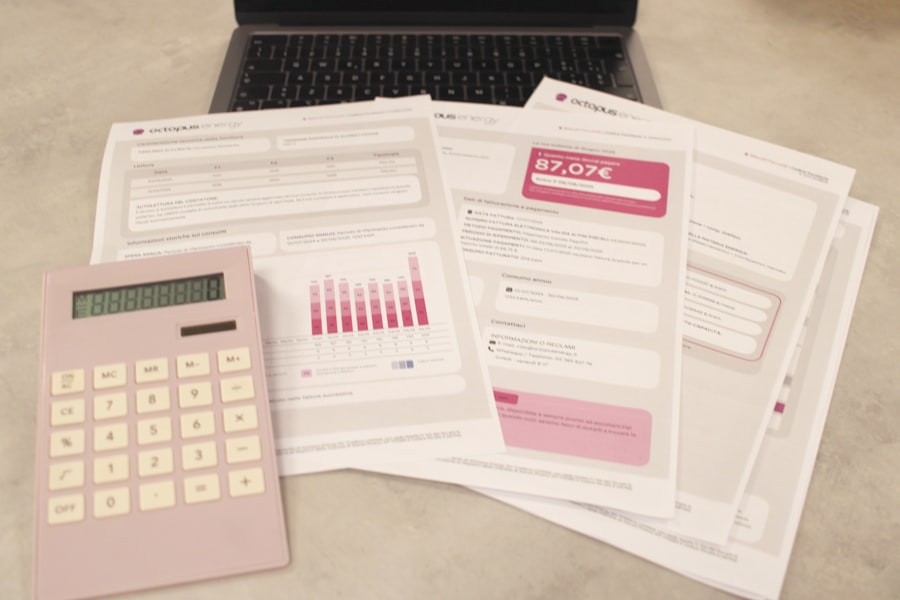
Setting up a free allowance tracker is a straightforward process that can be accomplished in just a few steps. First, individuals need to choose the format that best suits their needs. There are various options available, including mobile apps, spreadsheets, or even simple pen-and-paper methods.
Each format has its advantages; for instance, mobile apps often come with user-friendly interfaces and additional features like reminders and visual graphs, while spreadsheets allow for more customization. Once the format is chosen, the next step involves creating categories for income and expenses. Income categories might include allowances from parents, money earned from chores, or gifts received.
Expense categories could encompass spending on toys, snacks, or savings contributions. By organizing these categories clearly, users can easily track where their money is coming from and where it is going. After setting up the categories, users should begin recording transactions regularly.
Consistency is key; by entering data promptly after each transaction, users can maintain an accurate picture of their financial situation.
Tips for Maximizing Your Allowance Tracker
To get the most out of an allowance tracker, users should adopt certain strategies that enhance its effectiveness. One such strategy is setting specific financial goals. For example, if a child wants to save for a new video game console, they can set a target amount and timeline for achieving that goal.
By breaking down the total cost into smaller savings milestones, they can track their progress more easily and stay motivated. This goal-oriented approach not only makes saving more tangible but also instills a sense of accomplishment as they reach each milestone. Another effective tip is to review the tracker regularly.
Weekly or monthly reviews can provide valuable insights into spending patterns and saving habits. During these reviews, users should analyze their transactions to identify trends—such as frequent purchases at certain stores or impulsive spending on non-essential items. By recognizing these patterns, users can make informed adjustments to their budgets and spending habits.
Additionally, involving parents or guardians in these reviews can foster discussions about financial responsibility and encourage collaborative goal-setting.
Tracking Your Spending and Saving Goals
| Month | Free Allowance (Units) | Used Allowance (Units) | Remaining Allowance (Units) | Percentage Used (%) | Notes |
|---|---|---|---|---|---|
| January | 1000 | 450 | 550 | 45 | On track |
| February | 1000 | 700 | 300 | 70 | High usage |
| March | 1000 | 300 | 700 | 30 | Low usage |
| April | 1000 | 1000 | 0 | 100 | Allowance fully used |
| May | 1000 | 200 | 800 | 20 | Under budget |
Tracking spending and saving goals is at the heart of effective financial management. An allowance tracker allows users to visualize their financial journey by providing clear data on both income and expenditures. For instance, if a child allocates part of their allowance for savings each week while tracking their spending on entertainment or snacks, they can see how these choices impact their overall financial health.
This visibility helps reinforce the importance of balancing spending with saving. Moreover, setting up specific saving goals within the tracker can enhance motivation. For example, if a child aims to save $50 for a new bicycle over ten weeks, they can track their progress weekly by noting how much they have saved so far and how much more they need to reach their goal.
This method not only teaches patience but also encourages delayed gratification—an essential skill in personal finance that can lead to better decision-making in adulthood.
Utilizing the Data from Your Allowance Tracker
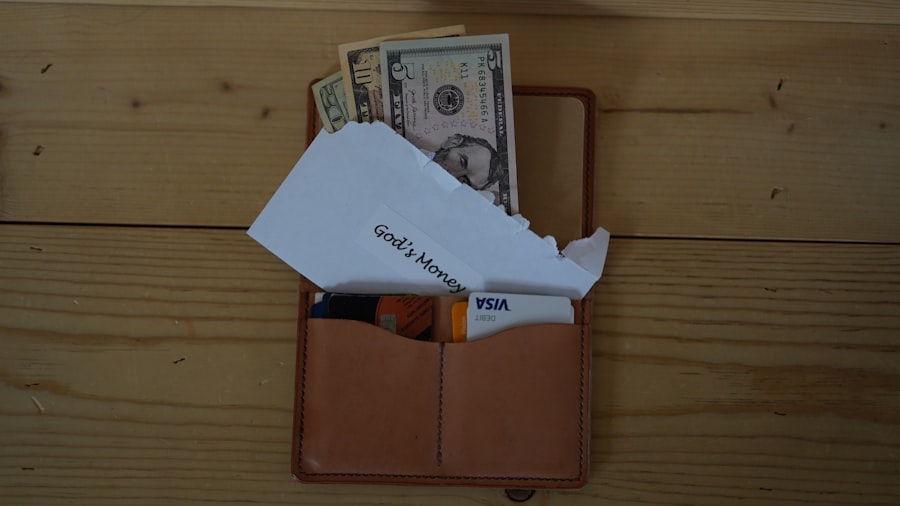
The data collected through an allowance tracker can be a goldmine for understanding personal finance habits. Users can analyze their spending patterns over time to identify areas where they may be overspending or where they could cut back. For instance, if a child notices that they consistently spend a large portion of their allowance on snacks at school, they might decide to pack lunch instead or limit their snack purchases in favor of saving for something more significant.
Additionally, this data can inform future financial decisions. By reviewing past spending habits, users can make more informed choices about how to allocate their allowances moving forward. If they find that certain categories consistently exceed their budget—like entertainment or clothing—they can adjust their expectations or set stricter limits in those areas.
This analytical approach not only enhances financial awareness but also cultivates critical thinking skills as users learn to evaluate their choices based on past experiences.
Common Mistakes to Avoid When Using an Allowance Tracker
While using an allowance tracker can be highly beneficial, there are common mistakes that users should be aware of to maximize its effectiveness. One prevalent mistake is failing to update the tracker regularly. Inconsistent tracking can lead to inaccuracies in understanding one’s financial situation.
If transactions are not recorded promptly or forgotten altogether, users may find themselves unaware of how much money they truly have available for spending or saving. Another common pitfall is neglecting to categorize expenses properly. When users lump all transactions into one category without distinguishing between different types of spending—such as necessities versus luxuries—they miss out on valuable insights into their financial behavior.
Proper categorization allows for more precise analysis and helps users identify areas where they may need to adjust their spending habits.
Additional Resources for Mastering Your Finances
To further enhance financial literacy and mastery beyond using an allowance tracker, individuals can explore various resources available online and offline. Numerous websites offer free budgeting tools and educational materials tailored specifically for young audiences learning about money management. Websites like National Endowment for Financial Education (NEFE) provide interactive lessons on budgeting and saving that can complement the use of an allowance tracker.
Books aimed at children and teenagers about personal finance can also be invaluable resources. Titles such as “The Everything Kids’ Money Book” by Brette Sember introduce fundamental concepts in an engaging manner that resonates with younger readers. Additionally, workshops or classes offered by local community centers or schools can provide hands-on experience in managing finances while fostering discussions about money management among peers.
By leveraging these resources alongside an allowance tracker, individuals can build a robust foundation in personal finance that will serve them well throughout their lives. The journey toward financial literacy is ongoing; with the right tools and knowledge at hand, anyone can navigate it successfully.
