

Educational apps have become increasingly prevalent learning tools in the digital era, with widespread adoption facilitated by the ubiquity of mobile devices such as smartphones and tablets. These applications serve diverse age groups and accommodate different learning preferences, providing parents and educators with flexible educational resources. Educational apps span multiple academic disciplines including mathematics, science, language arts, and social studies, frequently incorporating game-based learning elements to increase student engagement.
The growth of educational applications reflects the expanding integration of technology in modern educational practices. As pedagogical approaches continue to evolve, digital tools have become integral components of the learning process. Educational apps enable self-paced learning and offer customizable educational experiences that can be adapted to individual student requirements.
This flexibility addresses the diverse educational backgrounds and varying knowledge levels found among student populations. Research into the advantages, selection criteria, and age-appropriate recommendations demonstrates that educational apps represent a substantial and enduring element of contemporary educational methodology rather than a temporary technological trend.
Key Takeaways
- Educational apps offer tailored learning experiences for kids across different age groups.
- Benefits include enhanced engagement, interactive learning, and skill development.
- Choosing the best apps involves evaluating age-appropriateness, content quality, and user interface.
- Recommended apps vary by educational level, from preschool to high school.
- Maximizing learning requires guided use, setting time limits, and encouraging active participation.
Benefits of Using Educational Apps for Kids
One of the most significant advantages of educational apps is their ability to foster engagement through interactive content. Unlike traditional textbooks, which can often be static and uninspiring, educational apps utilize multimedia elements such as animations, videos, and interactive quizzes to capture children’s attention. This dynamic approach not only makes learning more enjoyable but also enhances retention rates.
For instance, a child learning about the solar system through an interactive app may find it easier to remember the names and order of planets when they can visualize them in 3D or manipulate them on-screen. Moreover, educational apps can provide immediate feedback, which is crucial for effective learning. When children engage with these applications, they often receive instant responses to their answers, allowing them to understand their mistakes in real-time.
This immediate reinforcement helps solidify concepts and encourages a growth mindset, where children learn to view challenges as opportunities for improvement rather than obstacles. For example, math apps that offer step-by-step solutions can help children grasp complex concepts by breaking them down into manageable parts, fostering a deeper understanding of the subject matter.
Criteria for Choosing the Best Educational Apps for Kids
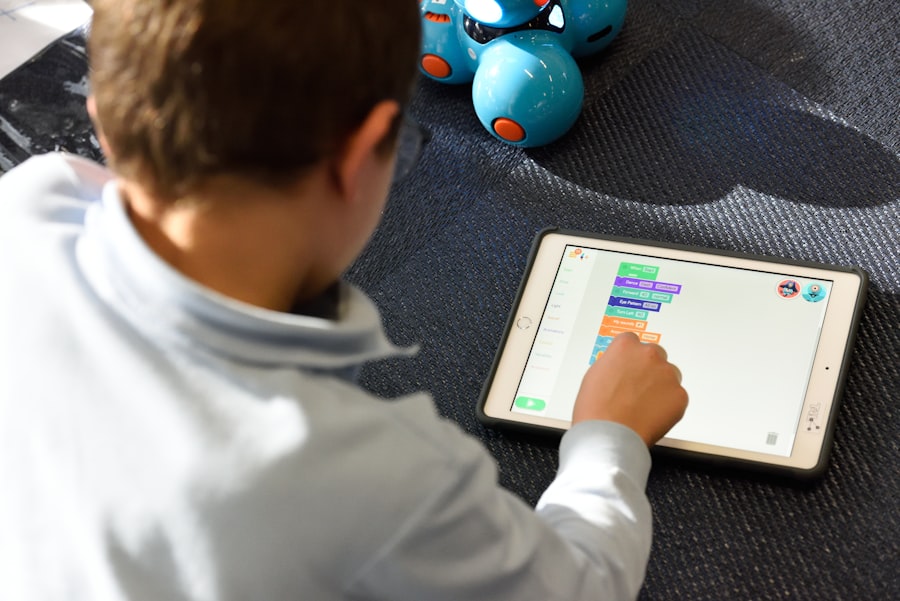
Selecting the right educational app for children requires careful consideration of several key factors. First and foremost, the app should align with educational standards and objectives. Parents and educators should look for apps that are designed in accordance with curriculum guidelines to ensure that they are providing relevant content that supports learning goals.
Additionally, it is essential to evaluate the app’s age appropriateness; an app designed for preschoolers may not be suitable for middle school students due to differences in cognitive development and learning needs. Another critical criterion is user experience. An intuitive interface that is easy to navigate is vital for keeping children engaged.
Apps that are cluttered or overly complicated can lead to frustration and disengagement. Furthermore, it is beneficial to choose apps that incorporate adaptive learning technologies, which adjust the difficulty level based on the child’s performance. This personalization ensures that children are neither bored with content that is too easy nor overwhelmed by material that is too challenging.
Lastly, parental controls and progress tracking features can provide parents with insights into their child’s learning journey, allowing them to support their education effectively.
Top Educational Apps for Preschoolers
For preschoolers, educational apps should focus on foundational skills such as literacy, numeracy, and social-emotional development. One standout app is “Endless Alphabet,” which introduces young learners to vocabulary through engaging animations and interactive puzzles. Children can explore new words in a playful context, enhancing their language skills while having fun.
The app’s vibrant graphics and charming characters make it particularly appealing to this age group. Another excellent choice is “Starfall,” which offers a comprehensive approach to early literacy through songs, games, and stories. The app covers phonics, reading comprehension, and even basic math concepts in an engaging format that encourages exploration.
Its structured yet playful design allows preschoolers to learn at their own pace while fostering a love for reading and learning. These apps exemplify how technology can be harnessed to create enriching educational experiences for young children.
Top Educational Apps for Elementary School Kids
| App Name | Target Age Group | Subjects Covered | Platform | Key Features | User Rating (out of 5) |
|---|---|---|---|---|---|
| Khan Academy Kids | 2-7 years | Math, Reading, Social-Emotional Learning | iOS, Android | Interactive lessons, personalized learning paths, offline access | 4.8 |
| ABCmouse | 2-8 years | Reading, Math, Art, Music | iOS, Android, Web | Step-by-step learning, progress tracking, rewards system | 4.5 |
| Duolingo ABC | 3-6 years | Reading, Phonics | iOS, Android | Fun games, bite-sized lessons, phonics focus | 4.7 |
| Endless Alphabet | 3-6 years | Vocabulary, Alphabet | iOS, Android | Animated puzzles, word games, interactive letters | 4.6 |
| Prodigy Math Game | 6-12 years | Math | iOS, Android, Web | Adaptive math challenges, game-based learning, real-time feedback | 4.4 |
As children transition into elementary school, their learning needs become more complex, requiring apps that cater to a broader range of subjects and skills. “Khan Academy Kids” is an exemplary app that provides a wealth of resources across various subjects, including math, reading, and social-emotional learning. With its adaptive learning paths and engaging activities, this app allows children to progress at their own pace while receiving personalized feedback on their performance.
Another noteworthy app is “Prodigy Math,” which gamifies math learning by immersing students in a fantasy world where they solve math problems to progress through levels and defeat monsters. This approach not only makes math practice enjoyable but also encourages critical thinking and problem-solving skills. By integrating educational content into an engaging narrative, Prodigy Math captures children’s interest while reinforcing essential math concepts.
Top Educational Apps for Middle School Kids

Middle school marks a pivotal time in a child’s education as they begin to tackle more advanced subjects and develop critical thinking skills. “Quizlet” stands out as an invaluable tool for this age group, allowing students to create flashcards and study sets tailored to their specific subjects. The app’s versatility enables learners to engage with material through various study modes, including games and quizzes, making it easier to retain information in preparation for tests.
Another excellent resource is “Duolingo,” which offers language learning through bite-sized lessons that are both fun and effective. The app employs gamification techniques such as streaks and rewards to motivate students to practice regularly. With its user-friendly interface and diverse language options, Duolingo encourages middle schoolers to explore new languages while developing their communication skills in an increasingly globalized world.
Top Educational Apps for High School Kids
High school students face unique challenges as they prepare for college and future careers. “Coursera” provides access to a vast array of courses from top universities around the globe, allowing high schoolers to explore subjects beyond their standard curriculum. This platform enables students to gain knowledge in areas such as computer science, business, or even art history while earning certificates that can enhance their college applications.
Additionally, “Wolfram Alpha” serves as an advanced computational engine that assists high school students with complex math problems and scientific inquiries. By inputting queries or equations, students can receive step-by-step solutions and explanations that deepen their understanding of challenging concepts. This app not only aids in homework completion but also fosters independent learning by encouraging students to explore topics in greater depth.
Tips for Maximizing the Learning Potential of Educational Apps for Kids
To fully harness the potential of educational apps, parents and educators should adopt strategies that enhance the learning experience. One effective approach is to establish a routine that incorporates app usage into daily activities. Setting aside specific times for educational app engagement can help children develop consistency in their learning habits while ensuring they balance screen time with other important activities such as outdoor play or reading physical books.
Moreover, active involvement from parents can significantly enhance the effectiveness of educational apps. Engaging in discussions about what children are learning or exploring together within the app can reinforce concepts and promote critical thinking. Encouraging children to explain what they have learned or share their favorite features of an app fosters communication skills while solidifying their understanding of the material.
Additionally, monitoring progress through built-in tracking features can provide valuable insights into a child’s strengths and areas needing improvement. By reviewing this data together with children, parents can set achievable goals and celebrate milestones, further motivating them on their educational journey. Ultimately, combining thoughtful app selection with active parental involvement creates an environment where educational apps can thrive as effective tools for learning.
