
In today’s digital environment, financial management has become more efficient and accessible, particularly for families seeking to educate children about money handling. Allowance tracking applications have developed into essential tools for parents aiming to establish financial literacy in children during their formative years. These digital platforms enable parents to monitor allowance distributions while providing children with structured environments to learn budgeting, saving, and responsible spending practices.
Through technological integration, these applications convert traditional allowance systems into interactive educational experiences. Allowance tracking applications function beyond basic financial record-keeping, operating as educational instruments that facilitate money-related conversations between parents and children. These platforms incorporate features specifically designed for young users, helping to clarify fundamental concepts of earning, saving, and expenditure management.
When children engage with their allowances through these digital interfaces, they acquire practical knowledge about financial responsibility, establishing foundations for future monetary decision-making. The development of these applications represents part of a larger movement toward incorporating technology into daily activities, making financial education more accessible and engaging for younger demographics.
Key Takeaways
- Allowance tracking apps help parents manage and monitor their children’s allowances efficiently.
- Key features to consider include user-friendliness, parental controls, and goal-setting options.
- Popular apps offer varied functionalities, catering to different family needs and preferences.
- Setting up an allowance system involves clear rules, regular updates, and involving children in the process.
- Using these apps effectively can teach children financial responsibility and improve money management skills.
Features to Look for in an Allowance Tracking App
When selecting an allowance tracking app, several key features can significantly enhance the user experience for both parents and children. One of the most critical aspects is user-friendliness. An intuitive interface allows children to navigate the app easily, ensuring that they can independently track their earnings and expenditures without constant parental assistance.
A well-designed app should cater to various age groups, offering simple functionalities for younger users while providing more advanced features for older children. Another essential feature is customization. Parents should look for apps that allow them to set specific parameters for their children’s allowances, such as frequency (weekly or monthly), amounts, and conditions for earning extra money through chores or tasks.
This flexibility enables parents to tailor the allowance system to their family’s unique needs and values. Additionally, features that promote goal-setting can be particularly beneficial. Apps that allow children to set savings goals for specific items or experiences can motivate them to save rather than spend impulsively.
This not only teaches them the value of delayed gratification but also instills a sense of achievement when they reach their financial goals.
Top 5 Allowance Tracking Apps for Parents
Several allowance tracking apps have gained popularity among parents due to their robust features and user-friendly designs. One standout option is Greenlight, which combines allowance tracking with a debit card specifically designed for kids. Parents can manage their children’s spending in real-time, set spending limits, and even allocate funds for specific purposes like saving or charity.
This app not only tracks allowances but also teaches children about responsible spending through practical experience. Another excellent choice is FamZoo, which offers a virtual family bank experience. Parents can create sub-accounts for different purposes—spending, saving, and giving—allowing children to allocate their allowances according to their financial goals.
FamZoo also includes features like chore tracking and customizable allowance schedules, making it a comprehensive tool for teaching financial responsibility. GoHenry is another popular app that provides a prepaid debit card for kids along with an allowance tracking system. It emphasizes financial education by offering interactive lessons on money management within the app.
Parents can set up automatic allowances and monitor spending while children learn through engaging content tailored to their age group. ChoreMonster is unique in that it combines allowance tracking with chore management. Parents can assign tasks to their children, who earn points that can be converted into allowances or rewards.
This gamified approach not only encourages children to complete chores but also teaches them the value of hard work and earning money. Lastly, BusyKid stands out by allowing children to earn real money through chores and tasks while also providing a platform for investing in stocks or saving for future goals. This app empowers kids to take charge of their finances by giving them hands-on experience with real-world financial concepts.
How to Set Up an Allowance System Using an App
Setting up an allowance system using an app involves several steps that require thoughtful consideration and planning. First, parents should determine the amount of allowance they wish to provide and the frequency of payments—whether weekly, bi-weekly, or monthly. This decision should reflect the family’s financial situation and the lessons they want to impart regarding money management.
Once the amount and frequency are established, parents can choose an appropriate app that aligns with their goals. After downloading the app, they will typically need to create an account and set up profiles for each child. This process often includes inputting personal information such as names and ages, which helps tailor the app’s features to suit each child’s developmental stage.
Many apps also allow parents to customize settings related to allowances, such as linking chores or tasks that must be completed before receiving payment. After setting up individual profiles, parents should engage their children in discussions about the allowance system. This conversation is crucial as it sets expectations regarding how the allowance will be used and what responsibilities come with it.
For instance, parents might explain that a portion of the allowance should be saved for future purchases or donated to charity. By involving children in this process, parents can foster a sense of ownership over their finances and encourage responsible decision-making.
Tips for Using an Allowance Tracking App Effectively
| App Name | Platform | Key Features | User Rating (out of 5) | Free Version Available | Subscription Cost (Monthly) |
|---|---|---|---|---|---|
| RoosterMoney | iOS, Android, Web | Allowance tracking, chore management, savings goals | 4.5 | Yes | 4.99 |
| iAllowance | iOS | Allowance scheduling, chore tracking, multiple kids support | 4.3 | Yes | 2.99 |
| GoHenry | iOS, Android, Web | Prepaid debit card, allowance tracking, spending controls | 4.2 | No | 3.99 |
| FamZoo | iOS, Android, Web | Virtual family bank, chore tracking, prepaid cards | 4.4 | Yes | 5.00 |
| Allowance & Chores Bot | iOS, Android | Allowance tracking, chore reminders, reports | 4.0 | Yes | 1.99 |
To maximize the benefits of an allowance tracking app, parents should adopt certain strategies that enhance its effectiveness as a financial education tool. One key tip is to regularly review the app’s data with children. This practice not only reinforces accountability but also provides opportunities for discussions about spending habits and saving strategies.
By analyzing where money is being spent or saved, parents can guide their children in making informed financial decisions. Another effective strategy is to encourage goal-setting within the app. Parents can help their children identify specific items they wish to save for—be it a toy, video game, or even a larger goal like a bicycle.
By setting clear savings targets within the app, children can visualize their progress and stay motivated to reach their goals. This practice instills a sense of purpose in managing their finances and teaches them the importance of planning ahead. Additionally, parents should consider incorporating lessons on budgeting into their discussions with children using the app.
Teaching kids how to allocate their allowances across different categories—such as spending, saving, and giving—can provide them with a foundational understanding of budgeting principles. By modeling these behaviors and discussing real-life scenarios, parents can help their children develop essential skills that will serve them well into adulthood.
Benefits of Using an Allowance Tracking App
The advantages of using an allowance tracking app extend far beyond mere convenience; they encompass educational benefits that can significantly impact children’s financial literacy. One primary benefit is the promotion of independence among children. By allowing them to manage their own allowances through an app, parents empower them to make decisions about spending and saving without constant oversight.
This autonomy fosters confidence in their ability to handle money responsibly. Moreover, these apps often include educational resources that teach children about various financial concepts in an engaging manner. Many apps incorporate gamified elements or interactive lessons that make learning about money fun and relatable.
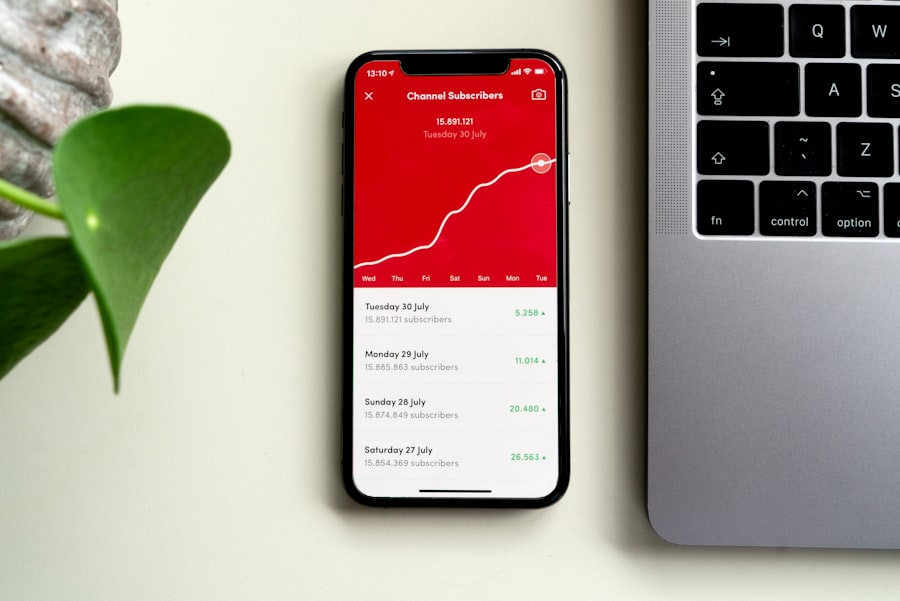
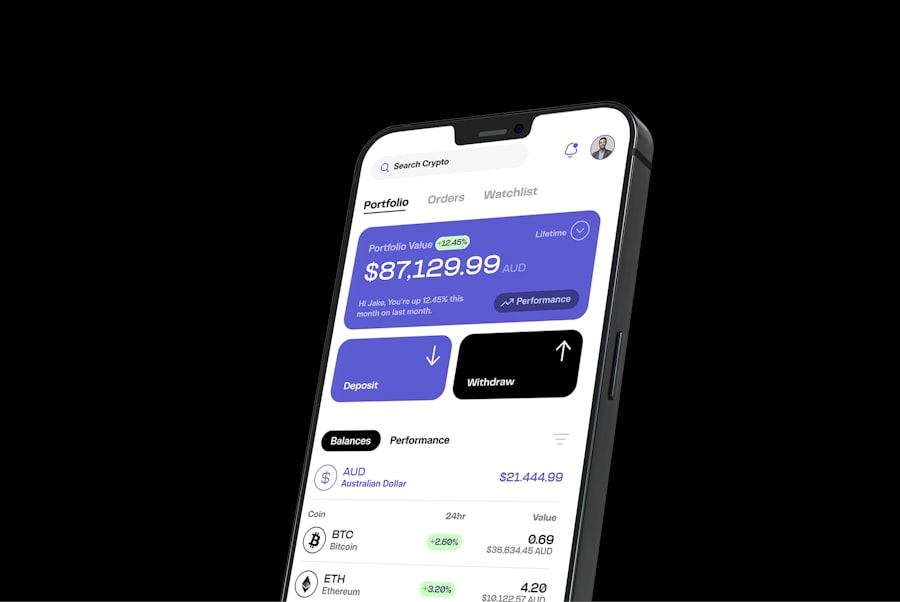
As children navigate these features, they gain valuable insights into budgeting, saving strategies, and even investment basics—knowledge that will be crucial as they grow older. Another significant benefit is the ability to track progress over time. Many allowance tracking apps provide visual representations of savings goals or spending habits through charts and graphs.
This visual feedback can be incredibly motivating for children as they see their efforts translate into tangible results. It reinforces positive behaviors such as saving consistently or making thoughtful purchasing decisions.
Comparison of Different Allowance Tracking Apps
When comparing different allowance tracking apps, several factors come into play that can influence a parent’s choice based on their family’s needs. For instance, Greenlight stands out with its integrated debit card feature that allows real-time monitoring of spending while teaching kids about responsible use of money in a safe environment. In contrast, FamZoo offers a more comprehensive family banking experience with its virtual bank accounts tailored for different purposes—spending, saving, and giving—which may appeal to families looking for a more structured approach.
GoHenry’s focus on educational content sets it apart from other apps by providing interactive lessons alongside its allowance tracking capabilities. This feature may be particularly beneficial for parents who prioritize teaching financial literacy alongside managing allowances. On the other hand, ChoreMonster’s gamified approach may resonate with families who want to incentivize chores while teaching kids about earning money through hard work.
BusyKid’s unique selling point lies in its investment options, allowing children not only to manage allowances but also to learn about investing in stocks at an early age. This feature could be attractive for families interested in introducing investment concepts early on. Ultimately, the best choice will depend on individual family dynamics and educational goals regarding financial literacy.
Conclusion and Recommendations
In conclusion, allowance tracking apps represent a modern solution for teaching children essential financial skills while simplifying the management of allowances for parents. By selecting an app that aligns with family values and educational objectives, parents can create a structured yet flexible system that promotes responsible money management among their children. The features offered by various apps cater to different needs—whether it’s real-time spending monitoring or gamified learning experiences—allowing families to find the perfect fit.
As families navigate this digital landscape together, it’s crucial to engage in open conversations about money management principles while utilizing these tools effectively. By fostering an environment where financial literacy is prioritized from an early age, parents can equip their children with the knowledge and skills necessary for making informed financial decisions throughout their lives.
